

Caravan & Towing Tyres: Load Ratings, Tyre Pressure, Heat and When to Replace Them
Monday 19 October 2026
Back to Latest News
Towing places a much greater load and heat stress on tyres, which is why correct tyre selection and maintenance are especially important in this situation. You can’t expect caravan tyres to operate under the same conditions as regular car tyres, so this guide will explain all you need to know when towing or travelling long distances.
Tyre Load Ratings Explained
Every tyre comes with something called a tyre load rating, which is a two/three digit code found on the side of the tyre to tell you the maximum weight that tyre can support when inflated to the correct pressure. Here’s a chart from the Australian Government that shows the load index for passenger vehicles:
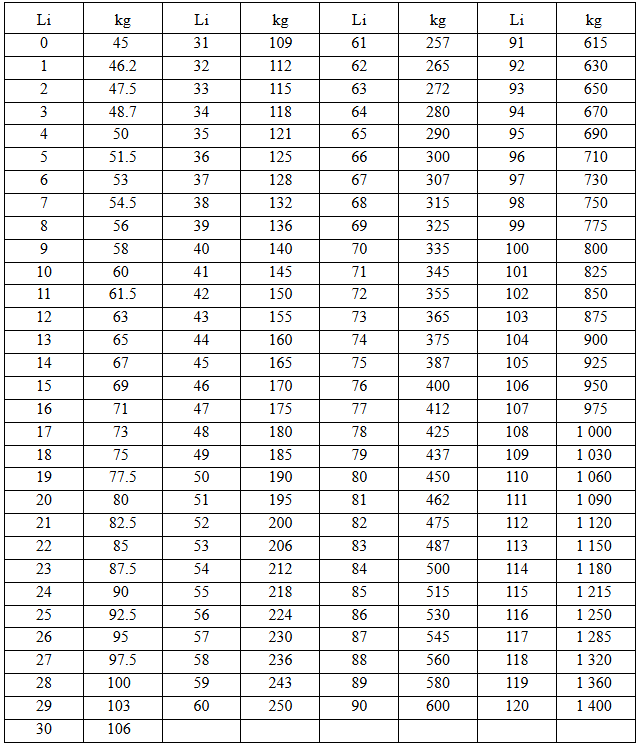
In other words, if your tyre has a load index rating of 80, that means it can handle 450kg of weight. So, all four tyres with the same load rating can handle a car that weighs a maximum of 1800 kg.
Knowing your load rating is key to see what tyres you’ll need, especially when towing. You may require different tyres because they’ll be handling a much higher load than your current ones are capable of.
Tyre Pressure & Towing Requirements
Inflating your car tyres to the right pressure will affect how they’re able to support weight and handle heat. As a general rule, you will normally opt for a higher tyre pressure than usual when towing, as the extra inflation helps to cope with the increased demand on the tyres from all the additional weight.
However, there isn’t a universal rule for tyre pressure figures and towing; it depends on your vehicle’s manufacturer guidance and the tyre manufacturer’s guidance as well. You can normally check the towing tyre pressure requirements in your car’s handbook - or it could be on the inside of the driver/passenger’s door.
The important thing is that you want to inflate your tyres to the recommended pressure rating when towing to avoid excessive wear.
A Quick Word On Heat Build-Up
Tyres will always generate heat as they maintain contact with the road due to friction. This is an even bigger problem when towing in Queensland due to three key factors:
- Driving at highway speeds
- Increased load bearing
- Hot weather
All of this means that your tyres will build up more heat than usual, and this is made worse if they’re underinflated because the tyre will flex more and generate more friction against the road. Moreover, if you’re carrying more weight than your tyre’s load rating supports, they will generate far more heat and cause problems.
Excessive heat build-up can literally burn away the tyre tread and put you at risk, so please stop safely at the side of the road if you smell burning or notice terrible vibrations that seem to come out of nowhere.
Caravan Tyre Age & Tread Depth
While you should always measure tyre tread depth, it is just one of many ways to check a tyre’s condition. The tyre’s age should also be taken into account as rubber can deteriorate over time due to heat and sunlight exposure, oxidation and other environmental factors.
The problem with caravan tyres is that they sit unused for large portions of the year, meaning they’re more susceptible to age-related deterioration. It’s highly possible that you’ll have a caravan for more than a decade yet never change the tyres because the tread is still okay as you don’t really use it that much.
Consult the tyre manufacturer’s guidelines on age, as they often recommend that you replace a tyre within a set number of years, even if the tread depth is fine. You can find a tyre’s age by looking at the sidewall and locating a code that’s a series of letters and numbers. It should end in a four-digit number that tells you:
- First two digits: the week the tyre was manufactured
- Last two digits: the year the tyre was manufactured
E.g. 0218 means the tyre was made in February 2018.
Signs It’s Time For Caravan Tyre Replacement
With the above in mind, here are some key signs that show your caravan tyres should be replaced before your next trip:
- Cracks in the sidewalls
- Clear deformities in the rubber
- They’re losing pressure too quickly
- Uneven tread wear
- Cuts or punctures in the rubber
- They vibrate heavily while you drive
- They’re coming to the end of their recommended service life
Sometimes, tyre repairs can get your tyres back in working order, particularly for deformities or minor punctures - but your tyres need to maintain the minimum legal tread depth. If they have less than 1.5 mm of tread in them, they need to be replaced. And while you’re checking all four caravan tyres, check the spare as well! You never know when you may need it, and the last thing you want is to replace a punctured tyre with one that isn’t suitable for the driving conditions.
Wheel Alignment & Tyre Wear
Wheel alignment can also play a role in tyre wear for caravans or towing vehicles because it determines the angles at which the wheels meet the road. Incorrect alignment might lead to uneven tyre wear because one tyre takes on more load than the others.
A good way to know if wheel alignment is an issue is by looking for unusual wear on the edge of a tyre that’s not present on any of the others. As a general rule of thumb, you should always get a wheel alignment check before towing if you haven’t had your car serviced in a while.
Your Free Pre-Trip Tyre Checklist For Long-Distance Towing
If you’re planning a caravan trip around Queensland, or are about to do some long-distance towing, here’s a quick pre-trip tyre checklist to follow:
- Check tyre pressures when the tyres are cold - make sure you use the right towing and loading recommendations.
- Measure the tyre tread depth using a tyre tread depth gauge.
- Look for any signs of deterioration on your tyres.
- Confirm the load index of each tyre to be sure it is suitable for the task at hand.
- Check the tyre manufacturer dates and determine if the tyres are coming to the end of their service life as per the manufacturer’s recommendations.
- Inspect your spare tyre as well.
- Check and tighten all tyre wheel nuts.
- Make sure you have a tyre repair kit, tyre inflator, and any other tyre-based tools handy.
Of course, the most important thing of all is to arrange for a professional tyre inspection prior to a major towing trip. This will ensure that all of the above gets checked properly, particularly if you’re unsure about load rating, pressure, wear, age or alignment. Get in touch with All Coast Tyres to schedule your inspection.


